.jpg)
Camino del Norte
San Sebastian to Santiago
The Full Experience
Self-Guided
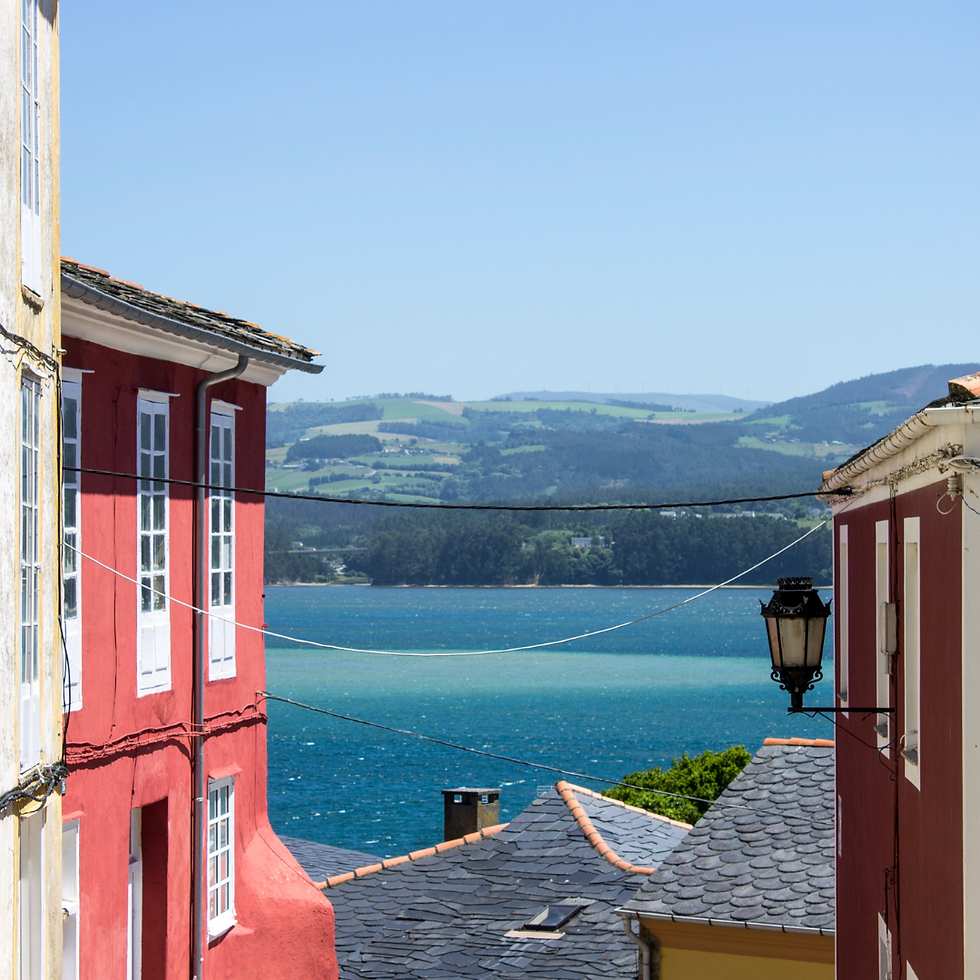
Follow the scenic Camino del Norte from the Basque Country to Santiago de Compostela, a coastal pilgrimage route known for its beauty and solitude. This 800+ km journey weaves through fishing villages, green hills, and the dramatic cliffs of northern Spain, offering panoramic ocean views and cultural highlights in cities like San Sebastián, Bilbao, and Santander. Enjoy fresh seafood, quiet forest trails, and the deep connection found in walking this lesser-traveled path to Santiago.

%20(1).avif)
BOOKING OPTIONS
DETAILS
22 Apr 2026 - 30 Jun 2026
HIGH SEASON
PRICE (pp)
$7,902
|
SINGLE SUPPLEMENT
$2,984
%20(8).png)
1 Jul 2026 - 30 Sep 2026
HIGH SEASON
PRICE (pp)
$9,298
|
SINGLE SUPPLEMENT
$3,694
7 Apr 2027 - 30 Jun 2027
HIGH SEASON
PRICE (pp)
$7,895
|
SINGLE SUPPLEMENT
$3,070
1 Jul 2027 - 30 Sep 2027
HIGH SEASON
PRICE (pp)
$8,795
|
SINGLE SUPPLEMENT
$3,940
DETAILS
*All prices are from per person, based on twin-share accommodation. $200 discount already applied.
.jpg)
Overview
Follow the scenic Camino del Norte from the Basque Country to Santiago de Compostela, a coastal pilgrimage route known for its beauty and solitude. This 800+ km journey weaves through fishing villages, green hills, and the dramatic cliffs of northern Spain, offering panoramic ocean views and cultural highlights in cities like San Sebastián, Bilbao, and Santander. Enjoy fresh seafood, quiet forest trails, and the deep connection found in walking this lesser-traveled path to Santiago.
TRIP DETAILS
COST
LENGTH
DISTANCE
DIFFIFCULTY
A$7,902*
37 Days
870KM
Hard
MONTH TO VISIT
JAN
FEB
MAR
APR
MAY
JUN
JUL
AUG
SEP
OCT
NOV
DEC
GOOD
OK
BAD
%20(8).png)
TRIP DETAILS
MONTH TO VISIT
JAN
FEB
MAR
APR
MAY
JUN
JUL
AUG
SEP
OCT
NOV
DEC
GOOD
OK
BAD
A$7,902*
37 Days
870KM
Hard
COST
LENGTH
DISTANCE
DIFFIFCULTY
Trip Details
COST
A$7,902*
LENGTH
37 Days
DISTANCE
870KM
DIFFIFCULTY
Hard
Month to Visit
J
F
M
A
M
J
J
A
S
O
N
D
GOOD
OK
BAD
"As a solo female walker, I wanted something that felt supported but still independent. Tierra Trekking nailed it. The itinerary was clear, the walking notes were spot on, and every accomodation felt safe, clean, and comfortable. Would definitely recommend."
Luciana M
July 2025
"My partner and I walked from Porto to Santiago with Tierra Trekking and it was such a memorable experience. Everything was taken care of. We felt like we could really enjoy the journey without any stress. A perfect mix of adventure and comfort."
Sarah G
July 2025
"This was my first Camino and I’m so glad I booked through Tierra Trekking Co. Everything was organised beautifully. I especially appreciated the pre-trip guidance. It made the whole experience feel more relaxed and enjoyable."
Vince P
July 2025
"Had a fabulous time walking the last 100km of the Camino Frances with Tierra Trekking Co. This had been a bucket list item for many years for me. Glad I chose Tierra Trekking Co. They handled everything. I found the pre-trip guidance particularly useful."
Pattie C
July 2025
"My partner and I walked the Portuguese Camino and it was an incredible shared adventure. The accommodations were charming and always well located. We loved having our bags moved each day so we could just focus on enjoying the walk (and the wine!). Great value and really personal service."
Daniel M
May 2025
"I was looking around at different self-guided camino companies as I was a bit unsure of doing this completely on my own as a solo female. In my early communications with Ben, I knew I had made the right choice! He gave me great tips & advice before the trip and I felt super supported from the get-go."
Krista A
Apr 2025
"Absolutely loved each day on the Portuguese Coastal Camino. The scenery was stunning. Ben had everything organised perfectly - would 100% recommend!"
Alex B
June 2025
.avif)
%20(1).avif)
.avif)
.avif)
.avif)
.avif)
.avif)
.avif)
.avif)

.avif)
.avif)
.avif)
.avif)
.avif)
.avif)
%20(1).avif)
.avif)
.avif)
.avif)
.avif)
.avif)
.avif)
.avif)
.avif)
%20(1).avif)
.avif)
.avif)
.avif)
.avif)
ITINERARY



Begin your journey in San Sebastián, one of Spain’s most beautiful coastal cities, nestled between green hills and golden bays. With its elegant old town, world-class food scene, and iconic La Concha beach, San Sebastián blends urban energy with seaside charm. Spend time exploring the cobbled lanes of the Parte Vieja, climb Monte Urgull for sweeping views, or enjoy pintxos and cider in a buzzing bar. This is the perfect place to soak in Basque culture and prepare for the days ahead.
Day 1: Arrive San Sebastián
Climb steeply out of San Sebastián, leaving the city behind as the trail rises through forested hills and opens to spectacular views of the rugged Basque coastline. Follow quiet lanes and ridgelines before descending into Zarautz, a long beachfront town with a lively promenade. If continuing to Getaria, a charming fishing port with medieval towers and seafood restaurants, the path hugs the ocean and undulates gently across cliffs and vineyards. The route is varied, with woodland tracks, coastal roads, and exposed viewpoints that offer unforgettable scenery from start to finish.
Day 2: San Sebastián to Zarautz (20km) or Getaria (25km)
Head inland through vineyards and quiet country roads, with the trail weaving between green hills, hamlets, and occasional ocean glimpses. The path rolls steadily upward and down through shady forests and peaceful farmlands, offering both solitude and sweeping views across the Bay of Biscay. Arrive in Deba, nestled beside the river and known for its relaxed beachside charm. This stage offers a moderate challenge with a balanced mix of forest paths, rural asphalt, and a few sustained climbs and descents.
Day 3: Getaria to Deba (18km) or Zarautz to Deba (23km)
Begin with a challenging climb out of Deba, as the Camino del Norte leaves the coast behind and delves into the remote heart of the Basque Country. The route leads through dense oak and eucalyptus forest, past scattered farmhouses and ancient stone walls, creating a sense of stepping back in time. With few towns or services along the way, this is one of the most peaceful and physically demanding stages so far. Arrive in Markina-Xemein, a traditional Basque town tucked into a wooded valley. The terrain is rugged and largely unpaved, with extended forest stretches and steep gradients that require sure footing.
Day 4: Deba to Markina-Xemein (24km)
The path undulates through rolling hills, forests, and remote valleys, dotted with rustic churches and crumbling farm buildings. Though elevation changes are steady rather than steep, the cumulative effort makes it a rewarding day. As you approach Gernika, a place of deep cultural and political significance, the terrain softens and the atmosphere shifts. Be sure to visit the Peace Museum, the Basque Assembly House, and the iconic oak tree, symbols of Basque autonomy. The walk blends quiet farm tracks with forest paths and paved lanes near town.
Day 5: Markina-Xemein to Gernika (25km)
Climb sharply out of Gernika on shaded tracks that thread through quiet farmland and pine forest. The trail rises and falls across open ridgelines and pastoral meadows, offering glimpses of distant mountains and, eventually, the outskirts of Bilbao. Pass rural chapels and scattered caseríos (farmhouses) as you descend into Lezama, a small town with a strong footballing legacy. The terrain is a mix of compact gravel paths, forest trail, and tarmac, with long stretches of tranquillity between small villages.
Day 6: Gernika to Lezama (21km)
Today’s walk begins gently but soon climbs to the Monte Avril ridgeline, offering panoramic views of Bilbao and the green basin that surrounds it. Descend steadily through residential neighbourhoods and leafy urban parks as the city draws nearer. Enter Bilbao via the Casco Viejo, a bustling old town filled with markets, architecture, and lively energy. Whether visiting the Guggenheim Museum or enjoying a final round of pintxos, this is a vibrant place to end the first week. The day is shorter but includes a noticeable climb, followed by a mostly paved and urban descent into the city centre.
Day 7: Lezama to Bilbao (14km)
Leave Bilbao’s city centre on riverside paths that lead you through residential neighbourhoods and leafy walkways. The route gradually flattens as you follow the Nervión River downstream, passing green parks and urban art before reaching Portugalete, a historic port town known for its towering Puente Colgante, the world’s oldest transporter bridge. While urban, the path is scenic and easy-going, with a mix of pedestrian walkways and quiet suburban streets offering a gentle return to walking.
Day 8: Bilbao to Portugalete (14km)
Begin with a relaxed stretch along the coastal promenade, then move into open countryside and coastal bluffs that reveal sweeping views of the Bay of Biscay. Today’s walk crosses into Cantabria, with rural paths leading past quiet beaches, cliffs, and scattered villages. Arrive in Castro Urdiales, a beautiful harbour town with a lively promenade, Gothic church, and medieval castle standing proudly over the sea. The route is long but rewarding, with a mix of paved seafront paths, forest trails, and a few exposed sections along the cliffs.
Day 9: Portugalete to Castro Urdiales (29km)
Walk out of Castro Urdiales along quiet rural roads and scenic farmland, gradually climbing through green hills before descending toward the coast again. The day blends rustic inland stretches with open coastal views, leading you into Laredo, a beachside town with a long, golden shoreline and a well-preserved old quarter. While it’s one of the longer days, the terrain remains manageable, with rolling elevation, forest sections, and a relaxed finish along the water.
Day 10: Castro Urdiales to Laredo (30km)
Today’s short stage offers a pleasant change of pace, beginning with a ferry ride (or optional boat taxi, weather permitting) across the Santoña estuary. Walk through the charming seaside town of Santoña, known for its anchovy fishing tradition, before continuing on quiet trails through dunes and marshland toward Noja. The route is flat and easy, hugging the coast with long stretches of sandy beach and pine forest boardwalk.
Day 11: Laredo to Noja (14km)
A varied and rewarding day, this stage begins on country tracks and small roads winding through coastal villages and farmland. Reach Pedreña, where a short ferry ride takes you across the bay to Santander, the elegant capital of Cantabria. Entering by boat is one of the highlights of the Camino del Norte. Santander offers a beautiful beachfront, wide promenades, and a grand historic centre to explore. The walking is steady and mostly flat, with gentle hills and some longer road sections before the ferry crossing.
Day 12: Noja to Santander (30km)
Depart Santander along quiet streets and suburban paths, gradually leaving the bustle of the city behind. The Camino leads through local villages and green meadows, with brief glimpses of the sea returning as you near the estuary. Today’s walk is short and mostly flat, a gentle start to the week with stretches of country road and shaded woodland. Arrive in Puente Arce, a peaceful riverside village with traditional stone houses and a relaxed, rural pace.
Day 13: Santander to Puente Arce (20km)
Cross rolling farmland and forested lanes as you walk west through the Cantabrian countryside, following quiet roads and age-old paths through small farming communities. As you approach Santillana del Mar, the landscape shifts from rural to romantic — cobbled lanes, honey-coloured buildings, and the striking Collegiate Church of Santa Juliana welcome you into one of Spain’s best-preserved medieval towns. The day features moderate elevation changes and firm terrain underfoot, mostly on country roads and hard-packed trails.
Day 14: Puente Arce to Santillana del Mar (26km)
Leave the medieval charm of Santillana behind and make your way toward the coast again, following scenic paths through pastureland and forests. The route passes through small villages and offers views of the sea before descending into Comillas, a coastal town known for its noble architecture and Gaudí’s Capricho, one of his few works outside Catalonia. The walk includes gentle climbs and descents with a mix of rural lanes, wooded paths, and short paved sections into town.
Day 15: Santillana del Mar to Comillas (23km)
Continue west on a varied and scenic stage, where the Camino weaves between green hills, open coastline, and riverside trails. Pass through San Vicente de la Barquera, a postcard-perfect town with its medieval bridge and estuary views. From there, follow the coast through quiet villages and farmland before reaching Unquera, a riverside town marking the boundary between Cantabria and Asturias. Pilgrims can choose to end the day here or continue a little further — crossing into Asturias — to finish in Colombres, a charming hilltop village known for its Indianos architecture and elegant mansions. The day is long but stunning, with rolling elevation, soft forest tracks, and spectacular sea views throughout.
Day 16: Comillas to Unquera (27km) / Comillas to Colombres (29km)
Climb out of Unquera or Colombres and follow a trail that undulates gently through coastal pastureland, limestone hills, and seaside hamlets. The approach to Llanes offers sweeping views of cliffs, beaches, and the Picos de Europa in the distance. Llanes itself is a lively fishing town with a vibrant old quarter, harbourfront, and artistic touches like the painted Cubes of Memory. Expect a blend of gravel trail, forest path, and paved descent into the town centre.
Day 17: Unquera to Llanes (27km) / Colombres to Llanes (25km)
This is one of the longer days on the Camino del Norte but also one of the most scenic. The path hugs the coastline, offering dramatic views of cliffs, rolling green hills, and the ocean below. Pass small villages and beaches like Playa de Torimbia and Playa de San Antolín, walking through quiet valleys and gentle farmland. Arrive in Ribadesella, a beautiful seaside town set along the River Sella, with colourful houses, an active port, and a stunning riverfront promenade. Though long, the terrain is mostly rolling and varied, with a blend of dirt trail, rural roads, and coastal paths.
Day 18: Llanes to Ribadesella (30km)
Leave Ribadesella behind as the trail heads inland through gentle countryside, with soft hills and forest tracks leading through small Asturian villages and quiet farmland. The coast returns in glimpses, especially as you cross green valleys and crest small ridgelines. The day ends in Colunga, a quaint rural town with a strong agricultural feel and proximity to the dinosaur coast. The terrain is undulating but not difficult, with a mix of shaded paths, quiet country lanes, and soft gravel trails.
Day 19: Ribadesella to Colunga (21km)
Today’s stage offers a shorter but beautiful walk, winding through rolling hills, apple orchards, and green pastures that are central to Asturian cider country. The trail is peaceful and rural, with soft footing underfoot and short climbs as you approach Villaviciosa, a lively town known for its sidrerías and warm local hospitality. Expect an easygoing day overall, with terrain mostly on dirt tracks and quiet farm roads, making for a relaxing rhythm.
Day 20: Colunga to Villaviciosa (17km)
This is a long and challenging stage with some of the most rugged inland terrain in this section. The Camino splits today — the Camino del Norte veers west over the Alto de la Cruz, climbing steadily through eucalyptus groves and remote hills before descending toward the coast. Eventually, you rejoin civilisation as you approach Gijón, a large coastal city with a long beach promenade and bustling urban energy. This day combines country trails, forest climbs, and long paved sections through the suburbs, offering a sense of both accomplishment and contrast.
Day 21: Villaviciosa to Gijón (30km)
Leave the coast behind temporarily as you exit Gijón, walking through a mix of industrial outskirts and quieter rural roads. The trail improves as you move westward, returning to forested paths, soft green valleys, and small hamlets. Arrive in Avilés, an underrated city with a charming old town and a striking riverside cultural centre designed by Oscar Niemeyer. The walk is steady, with a few climbs early in the day and a mostly flat finish through suburban parks and riverwalks.
Day 22: Gijón to Avilés (25km)
Today’s stage offers a rewarding mix of green hills, ocean glimpses, and classic Asturian villages. The trail gently climbs and falls through farmland and shady woods before a descent toward the coast and the fishing village of Cudillero or its quieter neighbour El Pito. The final stretch includes forested paths and panoramic countryside views, with moderate elevation changes and a peaceful rural atmosphere throughout.
Day 23: Avilés to El Pito / Cudillero (28km)
One of the longer days, this stage hugs the coast with sweeping views and stretches of untouched nature, from windswept cliffs to rolling farmland. You’ll pass quiet villages like Soto de Luiña and Ballota, following sections of the original pilgrim route and rural roads. Cadavéu marks the end of the stage — a peaceful hamlet nestled in the hills with a traditional Asturian feel. While the walk is long, the path is forgiving and varied, with steady ascents, wide gravel tracks, and brief coastal exposure.
Day 24: El Pito / Cudillero to Cadavéu (31km)
This short but beautiful stage follows the dramatic Asturian coastline, offering frequent views of cliffs, green fields, and the blue sweep of the Bay of Biscay. The path undulates gently through forests and farmland, passing quiet villages and small chapels. Arrive in Luarca, a picturesque fishing town with whitewashed houses cascading down to the harbour and a tranquil seafront promenade. Terrain is mild with short climbs and a mix of gravel paths, coastal trails, and local roads.
Day 25: Cadavéu to Luarca (15km)
Leave Luarca and walk westward through farmland and eucalyptus groves, gradually descending toward the river plain. The route today is more rural, dotted with small hamlets and occasional ocean views. Enter Navia, a lively town near the mouth of the Navia River, known for its historical centre and beautiful riverside setting. The walk is comfortable, with rolling terrain, forested tracks, and long stretches of quiet asphalt road.
Day 26: Luarca to Navia (22km)
One of the longest stages of the journey, this day takes you out of Asturias and into Galicia. Begin on country roads and lanes, then follow the coastal ridge inland before eventually descending toward the Eo Estuary. Cross the impressive Puente de los Santos into Ribadeo, a charming Galician town with a busy harbour and elegant buildings. The terrain is long but steady, with gently rolling countryside and a combination of forest paths, paved tracks, and scenic viewpoints along the way.
Day 27: Navia to Ribadeo (32km)
Today marks a shift from coastal paths to inland Galicia. The route climbs gradually through wooded hills, past quiet hamlets, ancient chapels, and rustic stone houses. You’ll notice the landscape becoming greener and more enclosed, with dense oak and chestnut trees lining the trail. Arrive in Lourenzá, a peaceful village with a grand Baroque monastery. Terrain is moderately hilly with forest tracks, dirt lanes, and a few longer ascents through lush countryside.
Day 28: Ribadeo to Lourenzá (28km)
Follow rolling hills and wide open fields as you enter deeper into rural Galicia. The Camino passes through small villages and quiet farming country, with moments of silence and solitude defining the day. Reach Abadín, a compact town with a strong pilgrim presence and warm community feel. The walk is smooth with mostly soft ground, farm tracks, and short road segments under tree canopy.
Day 29: Lourenzá to Abadín (25km)
This stage offers a serene transition across the Galician highlands, where stone walls, moss-covered barns, and distant farmsteads shape the view. The trail winds through pastures and oak groves before arriving in Vilalba, a historic market town with a proud Camino tradition and an ancient Parador tower at its heart. The route is steady and pastoral, ideal for reflecting on how far you’ve come.
Day 30: Abadín to Vilalba (20km)
Leave Vilalba and walk into the heart of Galicia, surrounded by soft hills, old stone walls, and traditional granaries known as hórreos. The path gently ascends and descends through forest tracks, rural lanes, and quiet pastures dotted with cows and stone chapels. Arrive in Baamonde, a peaceful village with a unique blend of artistic and spiritual character, including a chapel carved into a chestnut tree. It’s a steady and gentle day with mostly dirt paths and minimal road walking.
Day 31: Vilalba to Baamonde (20km)
Today is a shorter stage, offering a calm and introspective walk through rolling farmland, eucalyptus groves, and mossy trails. The route feels remote at times, with very little traffic and wide views over the Galician countryside. Arrive in Miraz, a small hamlet with a welcoming pilgrim albergue and a tranquil, off-the-beaten-path feel. The terrain is easygoing, with mostly soft ground and gentle gradients — a refreshing change of pace.
Day 32: Baamonde to Miraz (15km)
Climb gradually into higher ground today as the Camino takes you through remote villages and open moorland before descending into more forested terrain. The day’s highlight is arriving in Sobrado dos Monxes, home to a magnificent Cistercian monastery that still hosts pilgrims within its ancient cloisters. The final kilometres are especially scenic, with quiet woodland paths and small lakes. Terrain varies from gravel farm roads to soft forest trails, with moderate climbs and long peaceful stretches.
Day 33: Miraz to Sobrado dos Monxes (26km)
This stage marks the merging point with the Camino Francés, bringing a renewed sense of energy as the number of pilgrims increases. The walk continues through shady woods, sleepy hamlets, and Galician farm country. Arrive in Arzúa, known for its local cheese and lively pilgrim atmosphere. Today’s walk is moderate, with undulating hills and well-trodden trails underfoot, offering a strong sense of momentum toward Santiago.
Day 34: Sobrado dos Monxes to Arzúa (22km)
With Santiago now within reach, there’s a sense of momentum and quiet reflection in today’s walk. The path leads you through shaded woodlands, rolling pastures, and peaceful hamlets, dotted with wayside chapels where pilgrims often pause. O Pedrouzo, a small but welcoming town, offers a chance to rest and gather energy for the final stretch. Terrain is gently undulating with even surfaces, alternating between forest tracks and rural roads, with the occasional narrow trail through woodland.
Day 35: Arzúa to O Pedrouzo (21km)
Set out early for your final day on the Camino, walking through quiet woodland and rural lanes before climbing gently to Monte do Gozo, where you’ll catch your first glimpse of the cathedral spires in the distance. From there, descend into the city and wind your way through the streets of the old town to reach the Praza do Obradoiro, where the journey ends in front of the magnificent Cathedral of Santiago. It’s an emotional and unforgettable arrival, often marked by quiet reflection, joy, and shared celebration. The walk is moderate, with a mix of forest paths and paved urban sections.
Day 36: O Pedrouzo to Santiago de Compostela (20km)
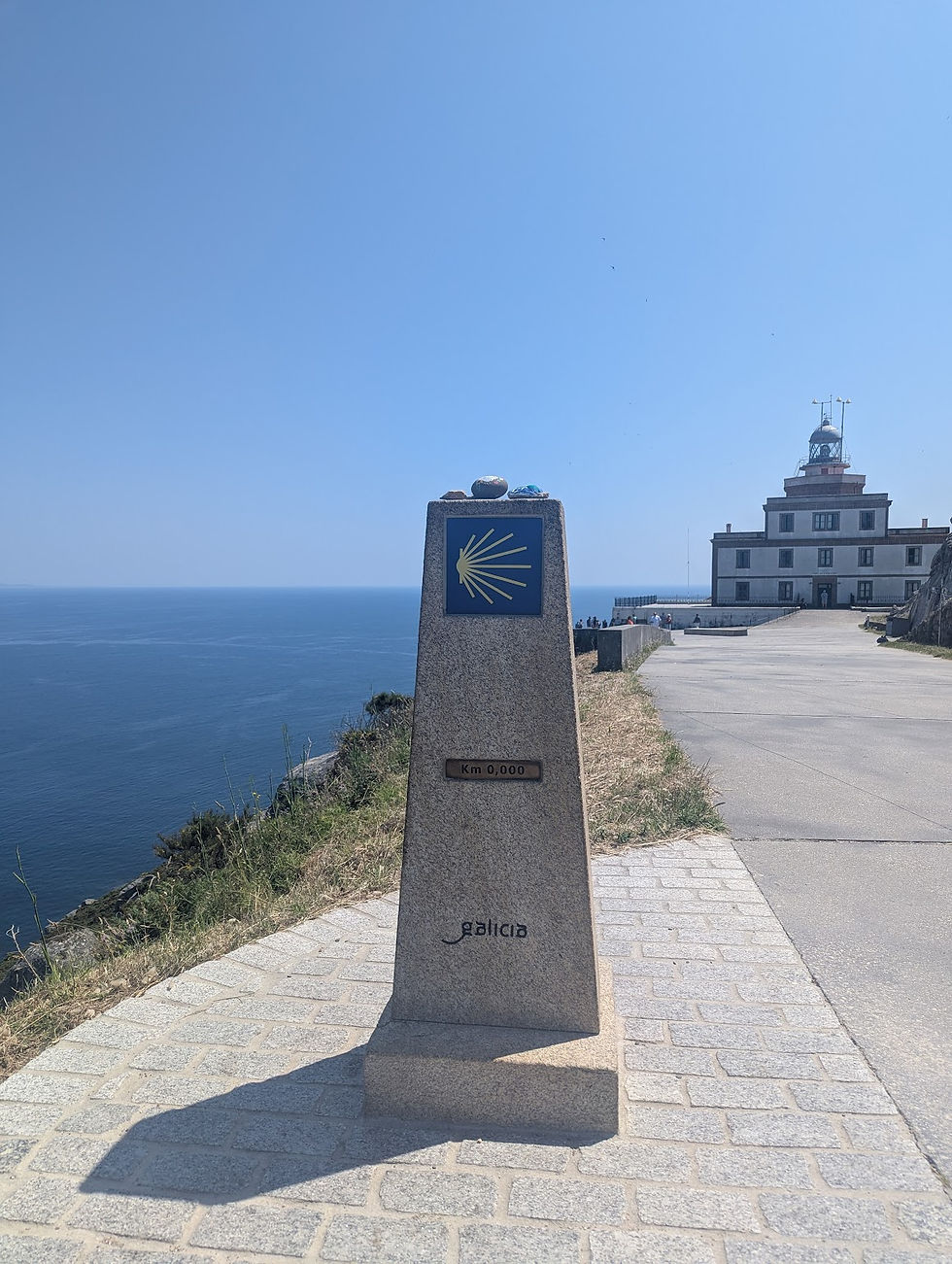
Your pilgrimage officially comes to a close. Some pilgrims continue on to Finisterre or Muxía, while others begin the journey home.
Day 37: Depart Santiago de Compostela
BOOKING OPTIONS
*All prices are from per person, based on twin-share accommodation. $200 discount already. applied
INCLUSIONS
ACCOMMODATION
36 nights in handpicked accommodations (hotels, casas rurales, or guesthouses) with private ensuite rooms
Comfortable beds, hot showers, and local charm
Centrally located stays in Camino towns, ensuring easy access to the route
LUGGAGE TRASNFER
Daily luggage transfer between accommodations (walk with only a daypack)
18kg weight limit per bag
Reliable and secure service—your bag will be waiting at the next stop
MEALS
Hearty breakfasts included at each accommodation
LOCAL EMERGENCY SUPPORT
Emergency phone number in case of issues along the route
Assistance with logistics or medical needs if required
PRE-TRIP PLANNING
Personalised pre-departure consultation to help choose the right Camino route and level of support
Detailed Pre-Departure Guide covering everything from packing to passport stamps
Recommendations for fitness preparation and Camino etiquette
Support with booking arrival and departure logistics (hotels, transfers, rest days)
Ongoing access to our Camino team for advice before your trip begins
ADDED EXTRAS
Upgrade your stay to in Santiago to luxurious Parador from $200 per person/night in a twin share room and $300 per person/night in single occupance room
Additional nights in Santiago de Compostela
Alternative and customised routes, sections and days to suit your level of fitness and needs
EXCLUSIONS
Additional baggage transfer cost of $30 per person/day when your trip falls between 31st Ocotober and 31st March
Single Supplement
Peak season surcharge when applicable at time of booking
Flights
Travel insurance

OTHER CAMINOS YOU MIGHT BE INTERESTED IN


.jpg)

%20(1).avif)


.png)
.png)
.png)
.png)
.png)
.png)
